
How brands can target the online generation desperate to log off
Over the past few years, Gen Z has been perceived as hopelessly addicted to technology.
The evidence seems hard to ignore; endless scrolling, screen-time reports that make uncomfortable reading, and a generation that has grown up with smartphones in their hands and social media shaping their world.
Yet in the background, a quieter trend is emerging.
While screen time continues to dominate the conversation, young people are flocking to activities that prioritise presence over productivity; Polaroids instead of phone cameras, vinyl instead of streaming, dinner parties instead of doomscrolling, and real-world experiences over digital ones.
As someone who has never known a world without the internet, I think the answer is surprisingly simple: my generation understands the cost of constant connectivity better than anyone else.
Gen Z isn't rejecting technology. We're responding to it.
We've grown up in a world of notifications, algorithms and endless scrolling. We know the benefits of being connected, but we're also the first generation to experience the exhaustion that comes with never truly switching off.
This raises an important question for brands: what happens when the generation you've been trying to reach online starts craving experiences away from its screen?
Presence is becoming more valuable than attention
For years, brands have been obsessed with capturing attention. Metrics like impressions, reach and engagement have dominated marketing strategies, all built around the assumption that more attention equals more impact.
But in a world where consumers are exposed to thousands of messages every day, attention has become abundant.
Being seen is no longer the same as being remembered.
Brands no longer need to be the loudest in the feed, they must create moments their audience will truly remember.
That's why Polaroid's latest campaign feels so culturally relevant. Rather than competing for more screen time, the brand is encouraging consumers to step away from screens altogether. Its "Analog Summer" campaign champions the value of being present, positioning analogue photography not as a nostalgic throwback but as an antidote to digital overload. The product may be a camera, but the real thing being sold is presence.
Offline experiences create stronger messages
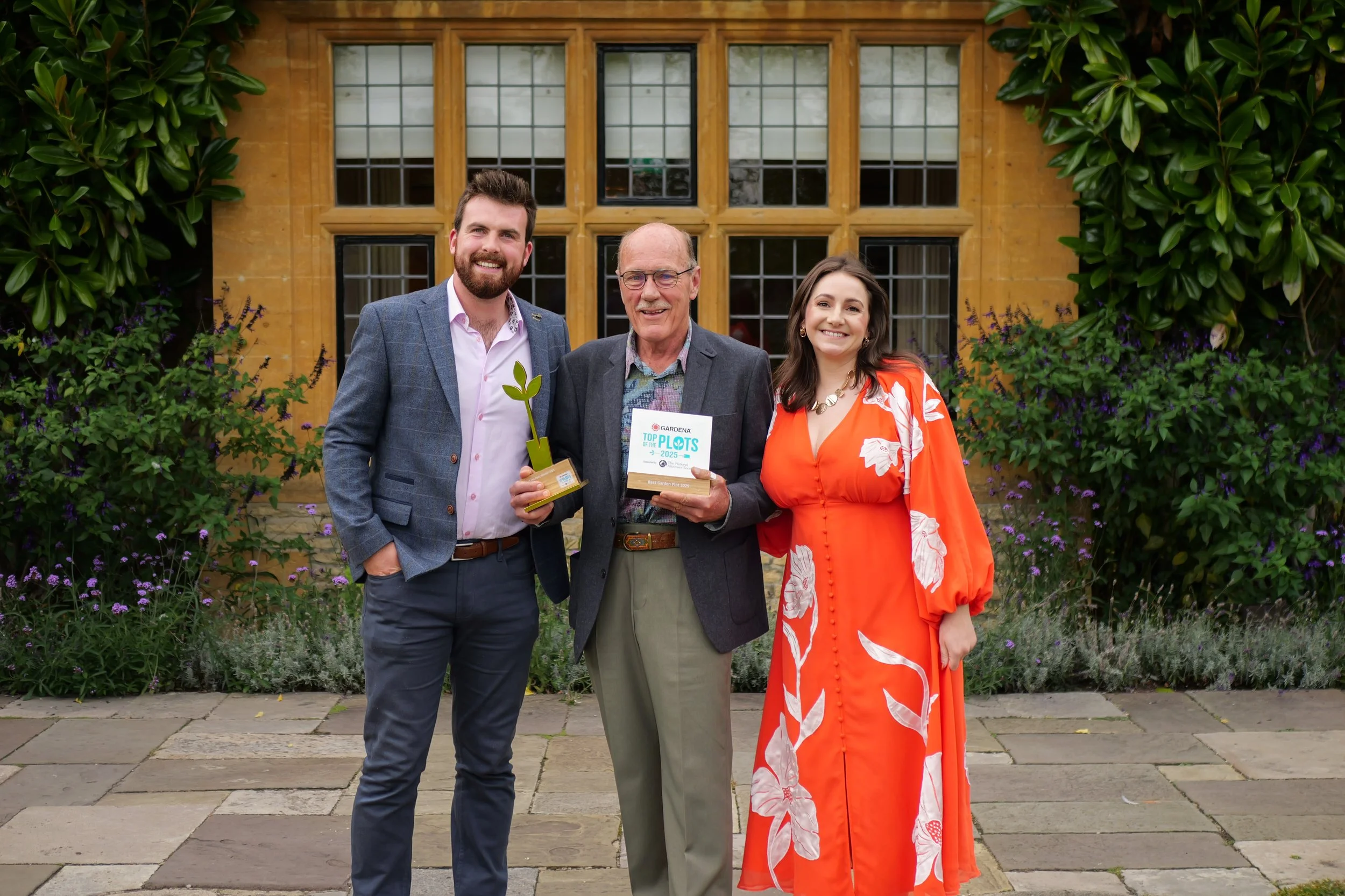
Top of the Plots winner Steve Mills with GARDENA grow-your-own expert Huw Richards
The irony of the attention economy is that we've never consumed more content yet retained so little of it.
A hundred TikToks can blur into one. A great event, pop-up, workshop or community experience becomes a conversation.
Users rarely remember every piece of content they scroll past, but they do remember how a brand made them feel. They remember the afternoon they spent learning a new skill, or the event that introduced them to like-minded people.
This is where many brands get it wrong. In the race to create more content, post more frequently and stay visible in the algorithm, they overlook a simple truth: people are far more likely to remember an experience they've participated in than a post they've passively consumed.
We saw this firsthand with GARDENA's Top of the Plots competition. Rather than simply talking to consumers about gardening, we created an experience that brought the industry to life in an accessible and community-driven way. The event gave people the opportunity to engage and immerse themselves in the brand beyond a product demonstration. It wasn't just something to watch; it was something to participate in.
The audience wasn't being sold to; they were sharing ideas, celebrating creativity and connecting with others who shared the same passion. GARDENA became the facilitator of those interactions, creating positive associations that extended far beyond the competition itself.
Perhaps the future isn't about choosing between online and offline. It's about using one to make the other more meaningful.
