
Is DEI a ‘woke’ distraction or the backbone of impactful storytelling?
In recent years, diversity, equity and inclusion (DEI) initiatives have come under increasing scrutiny in political and business debates across the UK and US.
For some, the term itself has become shorthand for corporate overreach or ‘woke’ culture. But for communications professionals, the underlying principle behind DEI isn’t just an ideological nice-to-have, it gives companies a competitive edge.
PR is fundamentally about understanding audiences and cultural context - anticipating how different people interpret messages, how stories travel, and how brands connect with the communities around them.
Strip away the terminology and noise around DEI as a talking point for politicians, and its value becomes simple - diversity builds the foundation for stronger storytelling and a better understanding of audiences.
In a crowded media landscape, brands that understand their audiences more deeply also communicate more effectively - and ultimately compete more successfully.

Why the best PR comes from the richest stories
The brands PR professionals most enjoy working with are rarely the most conventional. They’re the ones with distinctive origins, unique perspectives and compelling narratives.
When a brand reflects the real world, its storytelling becomes more authentic - holding up a mirror in which audiences can see themselves. Often, those stories come from diverse founders, teams, customers or communities.
This matters because people interpret messages through their own lived experiences, identities and cultural references. Communications that recognise this complexity naturally resonate with a broader range of audiences.
The media is also drawn to stories that reflect the world around them. So, brands that reflect the diversity of modern audiences are far more likely to generate narratives that feel timely, relevant and worth telling.
But diversity doesn’t just strengthen the stories brands tell - it also improves how those stories are shaped in the first place.
Teams made up with different backgrounds, experiences and cultural reference points are better equipped to understand how messages will land. They are more likely to recognise cultural nuance, identify compelling angles and anticipate how different audiences might respond.
Varied perspectives help teams spot both risks and opportunities earlier, whilst homogeneous teams that share the same assumptions can often lead to blind spots - whether that’s misjudging tone, or missing a more compelling narrative altogether.
For PR professionals whose job is to anticipate audience reaction, those perspectives are a strategic advantage.
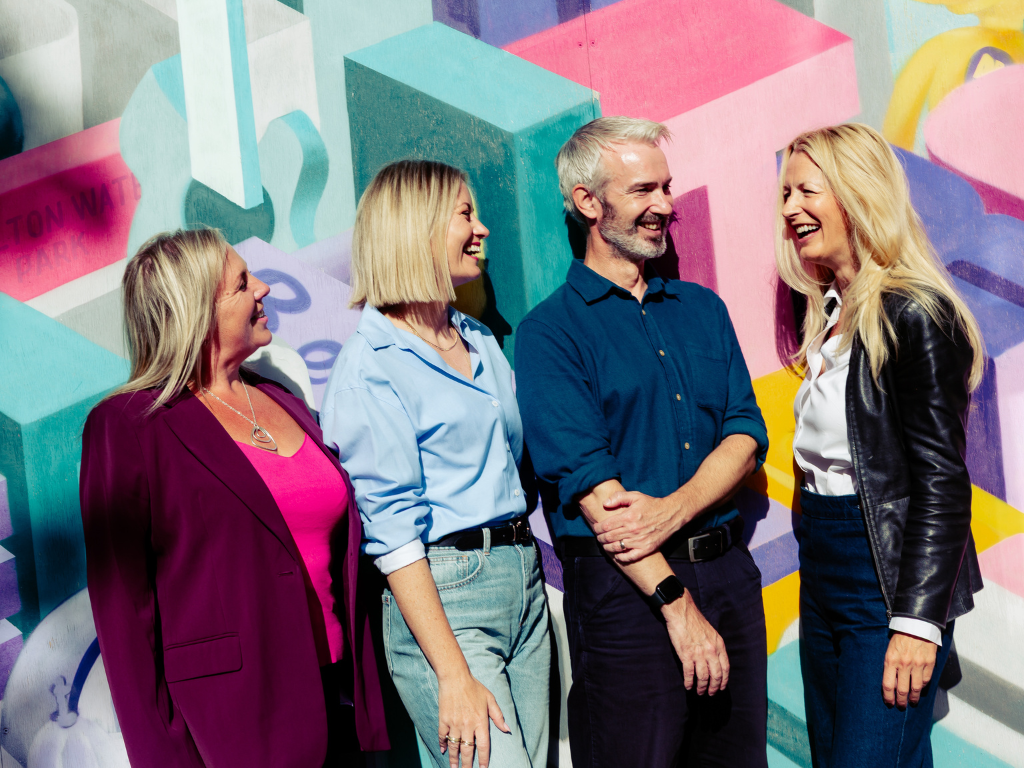
Democracy’s approach to DEI
At Democracy, we recognise that understanding audiences starts internally. That’s why we invest in an internal DEI team that continually reviews how we operate as an agency.
Their focus is on identifying ways we can make our business more accessible - whether that’s for clients, colleagues or the wider community connected to the agency - and invite a wider breadth of voices to the table. Like any communications challenge, it’s an ongoing process of listening, learning and improving.
Understanding people and perspectives has always been the oldest rule in communications. The more perspectives we bring into the room, the better we understand the audiences we’re trying to reach.
The diversity of people, ideas and experiences is what keeps communications meaningful, impactful, and relevant.