
How Meta Festival signalled a new era for social and influencer marketing
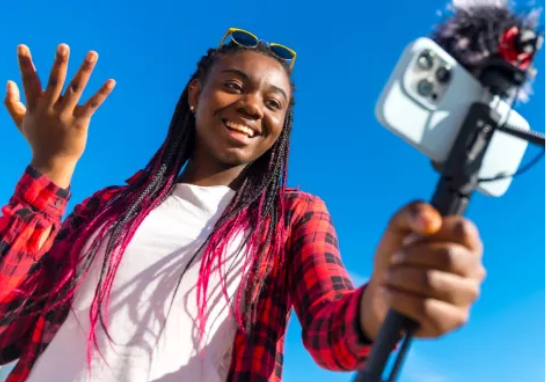
Social media is rapidly changing and the message from this week’s Meta Festival was very clear: the future isn’t simply about making more content or putting more money behind it.
It’s about creating content people want to watch, finding the right creators to tell your story and using paid social to get that content in front of the right people, at the right time.
From shrinking attention spans to the growing influence of creators and the rise of AI-powered discovery, Meta’s latest thoughts point towards a very different approach to social strategy. And we’re excited!
For brands, the opportunity is to move beyond the traditional distinction between social and influencer marketing - and start treating them as one connected community.
The decline of the attention span
Attention spans have decreased by 35% over the past five years, with average attention time falling from around 2.5 minutes to under 50 seconds.
According to Meta’s research, the human brain can form an emotional response to content in just 0.4 seconds, which means brands need to reshape their content strategy to ensure their message is shown within the first two seconds of any content.
Rather than building a paid social campaign around one piece of creative and hoping it works, brands should develop a bank of different assets, hooks, formats and creators that give platforms more opportunities to find what resonates.
Creators are the storytellers
The biggest theme of this year’s Meta Festival was the growing role of creators, reshaping how we view ‘influencer marketing’.
Meta shared that 53% of consumers are more likely to purchase from a creator they trust, while 76% want to hear from brands through creators. Three in four social media users also prefer creator content over traditional brand content.
Audiences don’t want to be sold too; they want to hear recommendations and reviews from trusted creators who feel like a friend.
It’s not all about the big numbers anymore. Smaller creators can often outperform larger influencers because of their stronger engagement, perceived authenticity and closer relationship with their communities.
Making Every Drop Count
In June, we partnered with celebrity podcaster and author, Giovanna Fletcher, to launch GARDENA’s campaign with UNICEF, highlighting the importance of water conservation as part of our Every Drop Counts campaign.
Following the hero video shoot, we edited the content into a series of short-form social cuts, built around individual soundbites and moments that could each resonate with our audience. This allowed the campaign to become part of GARDENA’s ongoing social strategy, rather than relying on a single hero asset.
It also meant we could amplify different sections of the content to different audiences, giving each story and message its own moment without creating crossover. Importantly, this approach reflects the growing role of storytelling series on social, where bite-sized formats give audiences a reason to return for the next installment.
A YouGov study found that 57% of UK adults consume short-form video daily, highlighting the growing importance of bite-sized social content over long-form videos.
Direct vs adjacent creators
One of the biggest creator marketing lessons is simple: the right creator isn't necessarily the one with the biggest following. Brands should be thinking about the right fit, the credibility with their audience, and whether that audience is genuinely relevant to the brand.
This is where the distinction between ‘direct fit’ and ‘adjacent fit' creators becomes particularly useful.
‘Direct fit’ creators are people who already operate naturally within your brand's category or area of expertise.
For a gardening brand like GARDENA, that could mean a creator who regularly shares growing advice, product recommendations and garden transformations.
‘Adjacent fit’ creators sit just outside the obvious category. They may not be an expert in your product, but they have an audience, interest or cultural connection that overlaps with the people you want to reach.
For GARDENA, partnering with home renovation creator whose audience is interested in improving their outdoor space means they can unlock new audiences without losing credibility.
The strongest creator strategy doesn't necessarily choose one or the other. It uses both.
Turning creators into a lead-generation channel
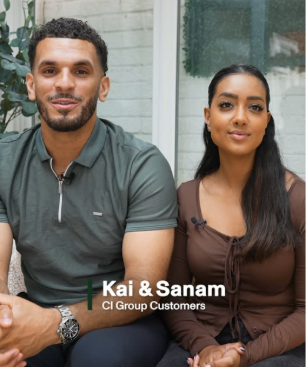
When CI Group came to us, the challenge was simple. Change perceptions around conservatories and show homeowners that insulation could transform an uncomfortable space into a room they could use all-year round.
Rather than relying solely on traditional brand communications, we overhauled CI Group's social presence and partnered with home and lifestyle influencers to bring the proposition to life.
Crucially, the creator content didn't stop at organic reach. It was amplified through paid social to target a wider audience - who would engage and take action.
The result was more than five million influencer opportunities-to-see and 1,000 clicks to enquire, generated through organic and paid influencer content.
The campaign's first TikTok collaboration also delivered eight in-person appointment leads in its first month.
This is a strong example of how creator content can sit at the intersection of credibility, audience growth and performance - with creators helping to make the message feel authentic and paid social helping it reach beyond existing communities.
The future of social media
If there’s one thing clear, it’s that social is moving beyond simply creating content and putting budget behind it.
Brands need to earn attention through relevant, creator-led content, then use paid and AI-powered distribution to get it in front of the right people.
The opportunity isn’t choosing between organic, paid or creators - it’s connecting them.
The brands that understand their audiences, work with the right creators and create content people genuinely want to engage with will be the ones that stand out.