BBC to produce programmes on YouTube for the first time after ratings revelation – but what are the opportunities for challenger brands?
Today, YouTube is a global platform to be reckoned with.
The busy little corner of the internet has been on quite the journey, a little-known testament to the power of smart business decisions and pivoting, as opposed to quitting, in moments of crisis.
What’s now home to billionaire vloggers and globally idolised gamers started out as a humble attempt to create a video-based dating site, where lonely hearts were encouraged to share videos of themselves in the hopes it might help them to find The One. The platform’s slogan at the time? Tune In, Hook Up, worlds apart from the platform we know and love today.
The power of smart pivoting
When its dating model failed, YouTube’s founders improvised to instead create a general platform for video and content creators. In December, YouTube earned itself almost 52 million viewers in the UK alone, surpassing the BBC by 1.2 million for the first time in history.
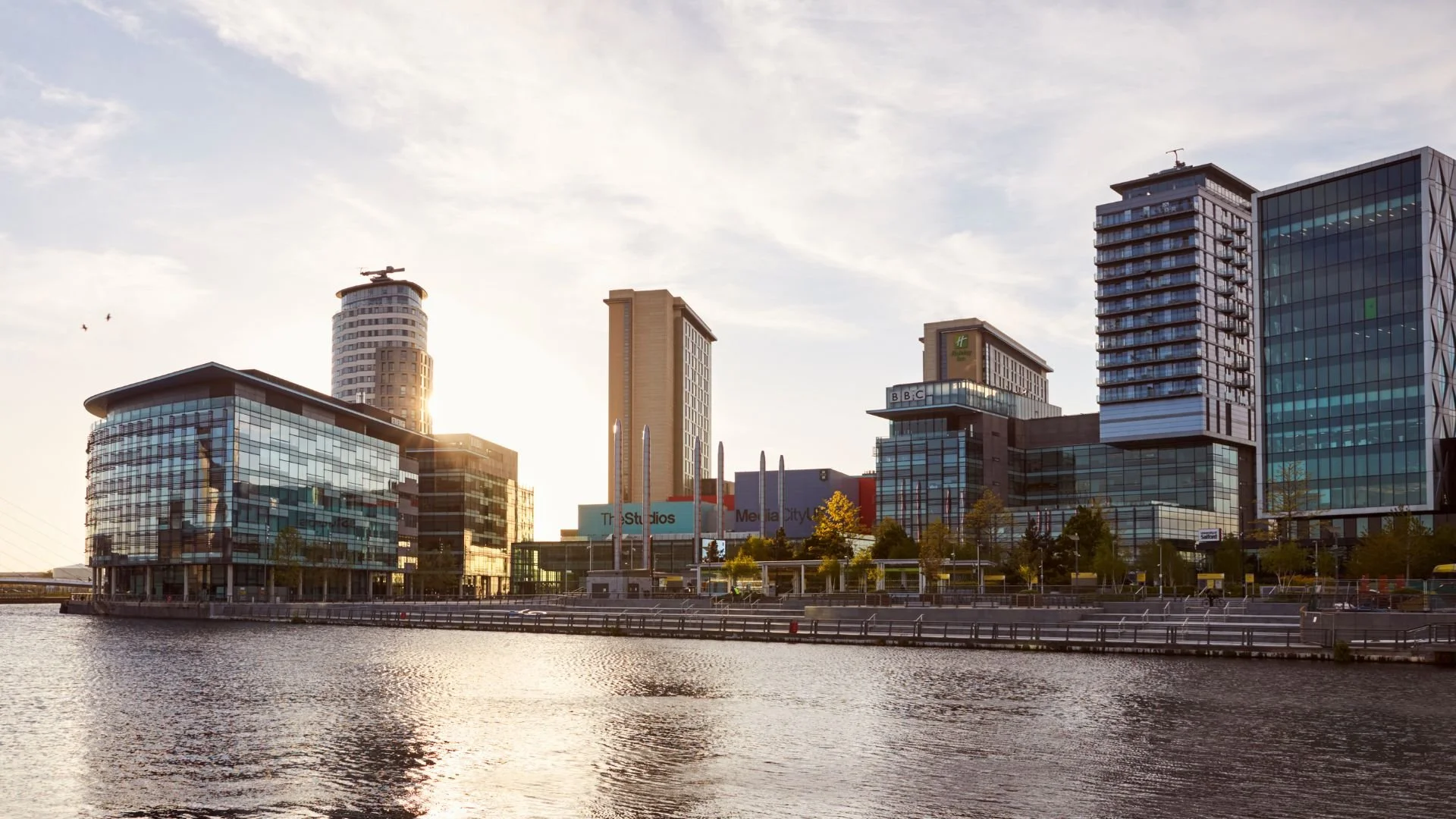
Now, in a move few of us saw coming, the BBC has struck a landmark deal to produce exclusive shows for YouTube, as it’s forced to contend with an exodus of viewers opting for the streaming service instead of its own platforms.
Its proposed programmes, primarily aimed at younger viewers, would subsequently be shown on the corporation’s own streaming platforms, iPlayer and Sounds.
Why the BBC move matters
While the BBC could take YouTube’s viewing figures as an existential threat or consider it time to throw in the towel and admit defeat, it has instead chosen to embrace the challenge – something we thrive on at Democracy.
We’re proud to supercharge challenger brands, clients who proudly disrupt their industry by challenging the status quo, stepping forward with bold, idea-driven campaigns that underpin their values, whilst making waves that cannot simply be stepped over.
That feels like BBC’s move, supercharging its own offering by tapping into an exciting new audience and a new world of possibilities for the first time in its history.
What this shift signifies for challenger brands
The BBC’s migration to YouTube signals more than a simple shift in distribution. It suggests the rigid walls that once separated public service broadcasting from creative brand collaboration are softening...or burning down.
For challenger brands, this could unlock an exciting new middle ground between earned media and creator-led content; a world where cultural relevance, audience value and storytelling matter more than paid-for reach.
Historically, landing brand mentions on the BBC has been notoriously difficult for us. Strict editorial guidelines, sensitivity around commercial influence and a deeply rooted caution towards brand integration have meant that only the most genuinely newsworthy, or culturally relevant, campaigns break through.
It’s a good job we’re so good at what we do.
As the BBC adapts to the realities of algorithmic platforms like YouTube, the question is whether we’re entering a dynamic new era, in which brands that behave more like content creators as opposed to advertisers can earn space through relevance, rather than spend.
Here at Democracy, we’ve seen first-hand how brilliantly this model can – and does – work. Last year, we secured incredible coverage for Flymo and GARDENA across the BBC network, through campaigns built around public interest and storytelling, not obvious commercial promotion.
Top of the Plots tapped into the nation’s appetite for gardening and community pride, while Hunt for the Oldest Flymo leaned into nostalgia, heritage and real stories, the kind of heartwarming narratives that effortlessly align with BBC editorial values. We earned coverage across platforms including BBC Breakfast, without compromising on credibility on either side.
Challenger brands are ahead of the game
Over Christmas, we secured YouTube product placement as part of our Fray Bentos, Sleigh Bentos, campaign, landing placements via major podcasts including JaackMaate’s Happy Hour. This perfectly demonstrated our ability as the leader of challenger brands to reach mass audiences through creator ecosystems that already command trust and capture imagination.
As the BBC tentatively dips its toe into these same creator-led waters, challenger brands that understand how to operate fluidly across broadcast, social and YouTube-native formats will be best placed to benefit, not by interrupting culture, but by becoming an unmistakeable part of it.
It’s early days, but we’re eagerly awaiting the results of this merge, and the endless possibilities this shift could unlock for our clients.