
How World Cup cover-up proves humour is a winning PR tactic
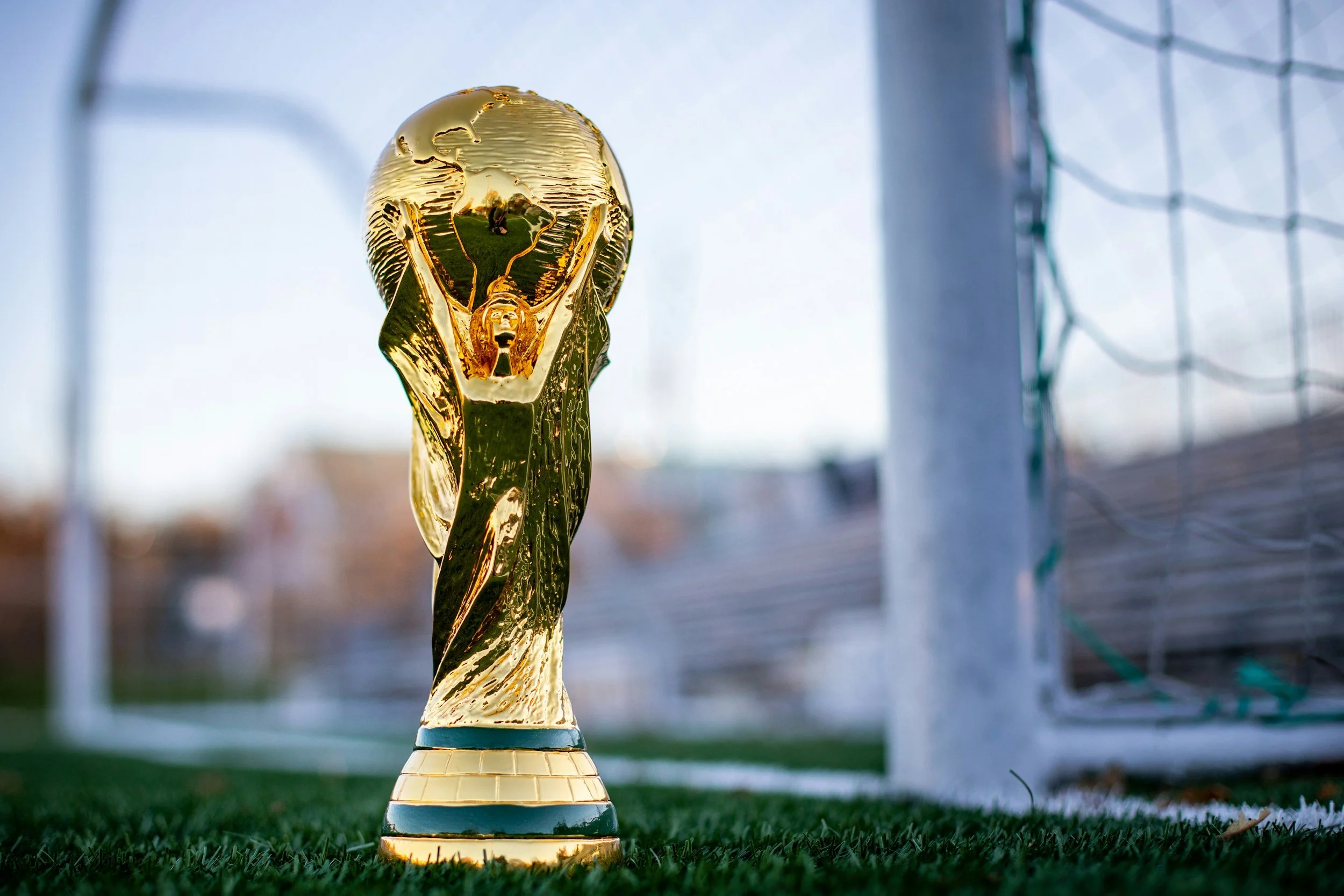
The World Cup is the staple in every football fan's calendar, and England supporters this week joined the Tartan Army on the rollercoaster ride of jubilation, heartbreak and controversy.
From three red cards in the opening game, to nations with a smaller population than Bolton scoring against international heavyweights, football fans have barely had a moment to catch their breath.
That presents a challenge for brands.
When fans are already committing to two or three matches a day, alongside endless social content, podcasts and group chats, cutting through becomes incredibly difficult.
The brands winning attention this summer have recognised one thing - football fans don't want more marketing, they want entertainment, and the recent creative stunt by Levi’s proves that.
Football is a ‘funny old game’ at the end of the day…
Comedy is a brand's 12th man
One of the smartest examples came from Levi's.
During the tournament, FIFA regulations forced the temporary removal of Levi's branding from Levi's Stadium. Rather than quietly accepting the change, the brand turned it into content by covering their logo with a white box - in the exact shape of their original logo.
Levi's leaned into TikTok's viral ‘nobody's gonna know’ trend, jokingly attempting to disguise the stadium branding and creating content that felt native to the platform's fans were already using.
The story made its way into major publications including The Sun and The New York Times.
Fan favourite, Paddy Power, followed a similar playbook.
The bookmaker paired Danny Dyer and Rob Lowe in a campaign that played on the growing football rivalry between England and the United States.
Again, the campaign wasn't trying to explain a betting product, but it was trying to make football fans laugh - which is a lesson that some brands need to pay more attention to.
“I've got to tell you, that is superb”
When Kieran Tierney scored to send Scotland to their first World Cup in 36 Years, brands immediately began brainstorming ways to inspire the Tartan Army.
Irn-Bru once again demonstrated why it remains one of the most culturally relevant brands north of the border by launching a campaign that celebrated the Tartan Army ahead of the tournament.
The hero video featured an unlikely cast of Scottish icons, including a breakdancing Susan Boyle belting out a reworked version of the brand's classic "Made in Scotland from Girders" jingle atop the Forth Bridge, while Franz Ferdinand frontman Alex Kapranos shredded his guitar beside a loch.
Rather than focusing on footballing glory, the campaign leaned into the absurdity of following Scotland, celebrating the impossible travel plans, sleep deprivation, financial sacrifices and unwavering optimism that come with supporting the national team.
It felt authentic, self-aware and distinctly Scottish, which is exactly why football fans embraced it.
Football fans don't want AI slop
Not every campaign landed quite so successfully. Coca-Cola's recent campaign featuring José Mourinho generated significant attention due to its use of AI-generated creative.
While the technology was impressive, much of the conversation focused on the execution rather than the message itself. Despite featuring ‘The Special One’, the campaign was a ‘Distinctly Average One’, as Coca-Cola had clearly overlooked the audiences that they were targeting.
At a time when social feeds are increasingly filled with AI-generated content, humour and authenticity are becoming even more valuable, and that is shown in the results of the campaign.
How Democracy captures the attention of football fans'
We've seen the same principle play out in our own work, during a campaign with Betfair and their ambassador, Dimitar Berbatov, to promote their 90 Minute Guarantee football offer.
Rather than focusing purely on betting mechanics, we tapped into a behaviour every football fan recognises - leaving the stadium early.
Using consumer research, we identified the supporters most likely to head for the exits before full-time and parked a branded double-decker bus outside Arsenal's stadium to offer them a free lift to the pub.
By turning a negative supporter stereotype into a joke, the campaign generated social conversation, national coverage and engagement far beyond what a traditional product-focused campaign could have achieved.
The campaign generated 31 pieces of coverage, with a reach of 908M. It also featured in 16 target national media outlets including Mail Online, talkSPORT and SportBible.
Ahead of Euro 2024, we also partnered with talkSPORT Bet and Scotland legend Ally McCoist for a fan giveaway activation outside of Wembley Stadium.
Again, humour sat at the heart of the campaign. Ally was tasked with dressing up in a traditional Spanish flamenco dress, recreating Gazza’s iconic Euros celebration and even giving away pairs of boxers with his face on them.
The campaign reached over 440k users on social (170% above our campaign target) and delivered 9.5K link clicks to the TalkSPORT Bet website, with 52% of the reach coming from customers new to the betting platform.
Final whistle
The campaigns that have cut through during this World Cup haven't necessarily had the biggest budgets or the most advanced technology behind them, they've simply understood football fans.
The best campaigns feel like they were created by supporters rather than marketers, by tapping into the jokes, behaviours and conversations that already exist around the game.
If you'd like to explore how creative campaigns can help your brand cut through crowded cultural moments, get in touch with the team at Democracy using the contact button below.
