
How Devil Wears Prada brands have strutted into social media to create the ultimate film FOMO
Like millions of fans, I was excited about the announcement of the Devil Wears Prada sequel. Not just for the nostalgia, but to see how the film incorporates changes in modern marketing.
There was a time when film marketing was only film trailers, billboards, press junkets and one or two red carpet events.
Now it’s much more than that. From immersive pop-ups, luxury brand alignments, fashion partnerships and influencer collaborations and social-first content designed to live beyond the comfort of the reclining cinema chair.
How does the original translate in 2026?
In 2006, when we were first introduced to the iconic Miranda Priestly - a no‑nonsense character with razor‑sharp one-liners influence flowed mainly through glossy magazines and traditional media.
Whilst they still hold influence, they now exist alongside a fast-paced digital landscape driven by a plethora of social media platforms, content creators and trend cycles.
Now two decades later, platforms like TikTok and Instagram shape cultural moments through content and experiential brand moments bring those experiences directly into customers’ worlds.
How did brands achieve cut through?
The marketing around The Devil Wears Prada 2 showed how brands build experience‑led moments designed to be turned into content to align with the film. Pop‑ups aren’t just physical spaces, they create FOMO and are used for social storytelling.
Diet Coke’s exclusive pop‑ups across the UK gave fans the chance to pick up a special printed edition of Runway magazine, unlocked by unscrambling anagrams shared across Diet Coke UK’s social channels, a way to keep a piece of the film in your magazine collection.
Starbucks essentially translated each lead character into a drink, turning personality traits into flavours. With one creator saying, “Was it groundbreaking? No. But I felt like I walked straight into her world, and honestly, that’s the point.”Creating intentional touchpoints that show how the film is engaged with outside the cinema walls.
TRESemmé were the signature hair brand of the film and launched a limited-edition heat defence spray – with signature red accents integrated into a wider creator and content strategy that encouraged UGC through gifting and social storytelling.
Democracy’s approach to cultural moments
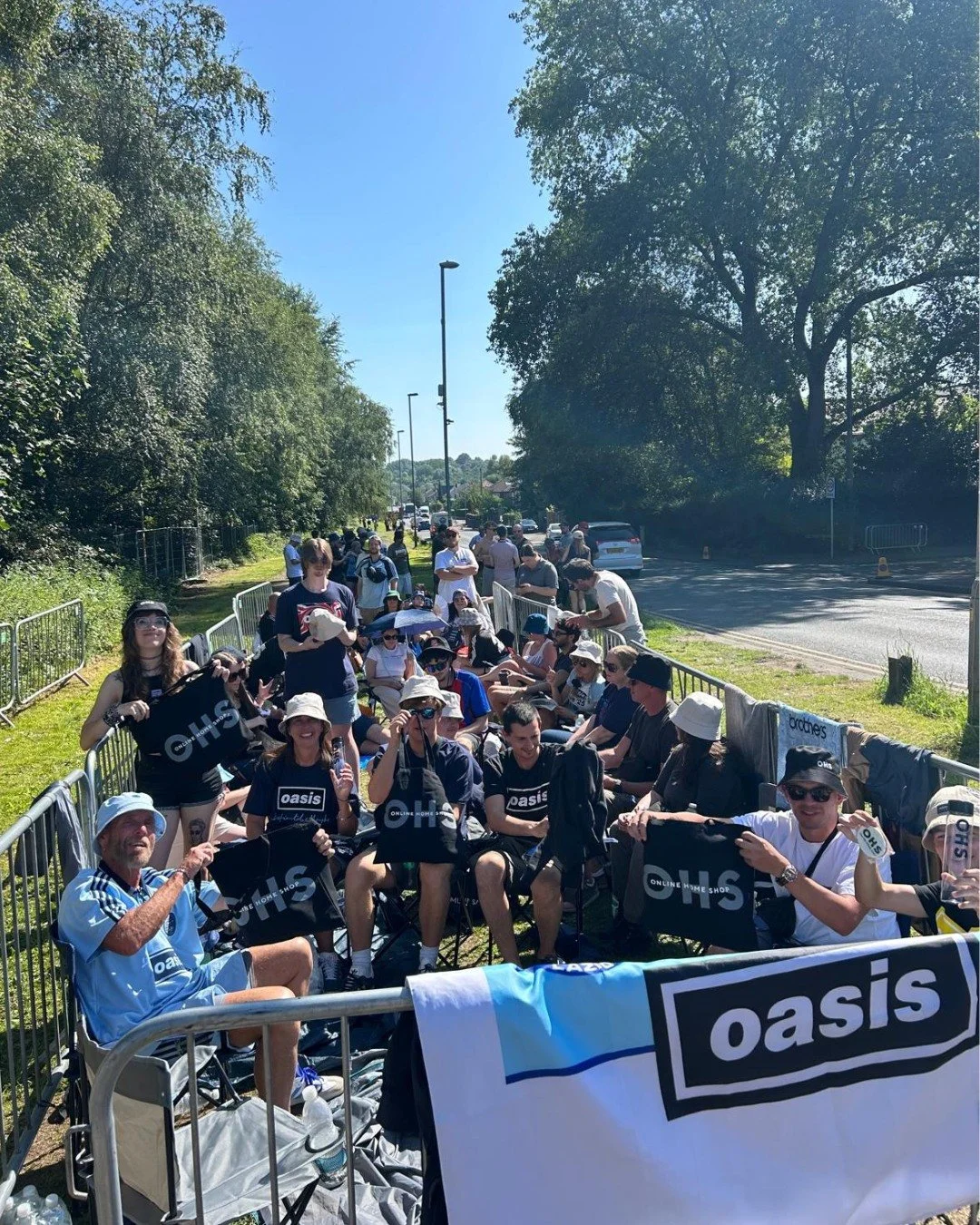
For Online Home Shop, our Manchester-based client, we tapped into Oasis’s long-awaited homecoming by heading to the front of the entry queues to gift bucket hats, comfy camping chairs and refillable water bottles to those eager to get front and centre.
We joined crowds at Heaton Park to build on the buzz and land product placement coverage for OHS on the BBC.
Tequila Rose identified Manchester as a city packed with Tequila Rose drinkers and a ready‑made creator community. That insight sparked the first‑ever Tequila Rose Pink Gala.
Influencer venue Raft was transformed into a luxurious pink paradise with invite-only attendance. Bespoke invitations, curated gifting and GRWM content from macro creators and Love Island personalities built early buzz and anticipation.
Host GK Barry teased the event across her channels to fuel FOMO, while a surprise set from superstar DJ Joel Corry turned the night into a full cultural moment, generating headlines and a wave of social coverage.
The takeaway
Brands are no longer sitting on the sidelines. They’re stepping directly into cultural moments, aligning with the conversations people already care about and creating experiences to be used as social currency.
Social media has become the new front row, where FOMO is crafted and lives far beyond the cinema screen.