
How ChatGPT’s Image 2.0 lacks two key ingredients
When OpenAI released ChatGPT Images 2.0 last week, the response from many corners of the creative industry was intense. Designers described the update as unsettling, alarming and in some cases existential, with social feeds quickly filling with examples of AI-generated posters, ads and brand visuals that appeared uncomfortably close to finished work.
Much of the conversation focused on what this means for designers themselves, but as with many AI developments, the bigger shift is about how creative work is produced, valued and differentiated in a changing landscape.
What’s changed with Images 2.0?
The Images 2.0 model represents a clear step forward from previous AI image tools, both in output quality and intended use. Rather than functioning purely as a visual experiment or concept generator, it moves closer to production-ready design support.
One of the most significant improvements is text rendering. Images 2.0 can now generate clean, readable typography across multiple languages, including non-Latin scripts, which removes one of the biggest limitations of earlier models. This alone makes it viable for things like packaging concepts, posters, ads and branded social content.
Alongside this, the model supports native high-resolution outputs, more accurate spatial layouts and the ability to generate multiple consistent images at once, making it useful for storyboarding or campaign variations.
Natural language editing also allows users to make specific adjustments without regenerating everything and even functional elements like QR codes can now be created and styled within the image itself.
Taken together, these features shift AI image generation away from novelty visuals and towards something that increasingly resembles a production tool.
This has been a catalyst in the development of Generative Engine Optimisation (GEO), a process of maximising the likelihood that a brand or piece of content will show up in either LLM search or AI overviews.
Is this the end of AI slop?
For the past year, AI slop has been everywhere. Low-quality, obviously AI-generated imagery has flooded social platforms, often prioritising volume over any real creative intent.
Images 2.0 significantly raises the baseline quality, with many of the outputs being harder to distinguish from human-made work, particularly when viewed quickly in feeds where context is limited.
However, while the technical quality has improved, a different issue becomes more apparent. Outputs tend to converge around similar visual styles, where the images look polished, but they also look familiar and when viewed in volume, they start to blur together.
What this means for graphic design
Crucially, the platform stifles creativity and authenticity which are two of Democracy’s pillars.
We bring creativity that challenges convention and proud to use independent thinking in the age of algorithms to design graphics to drive press and social media coverage.
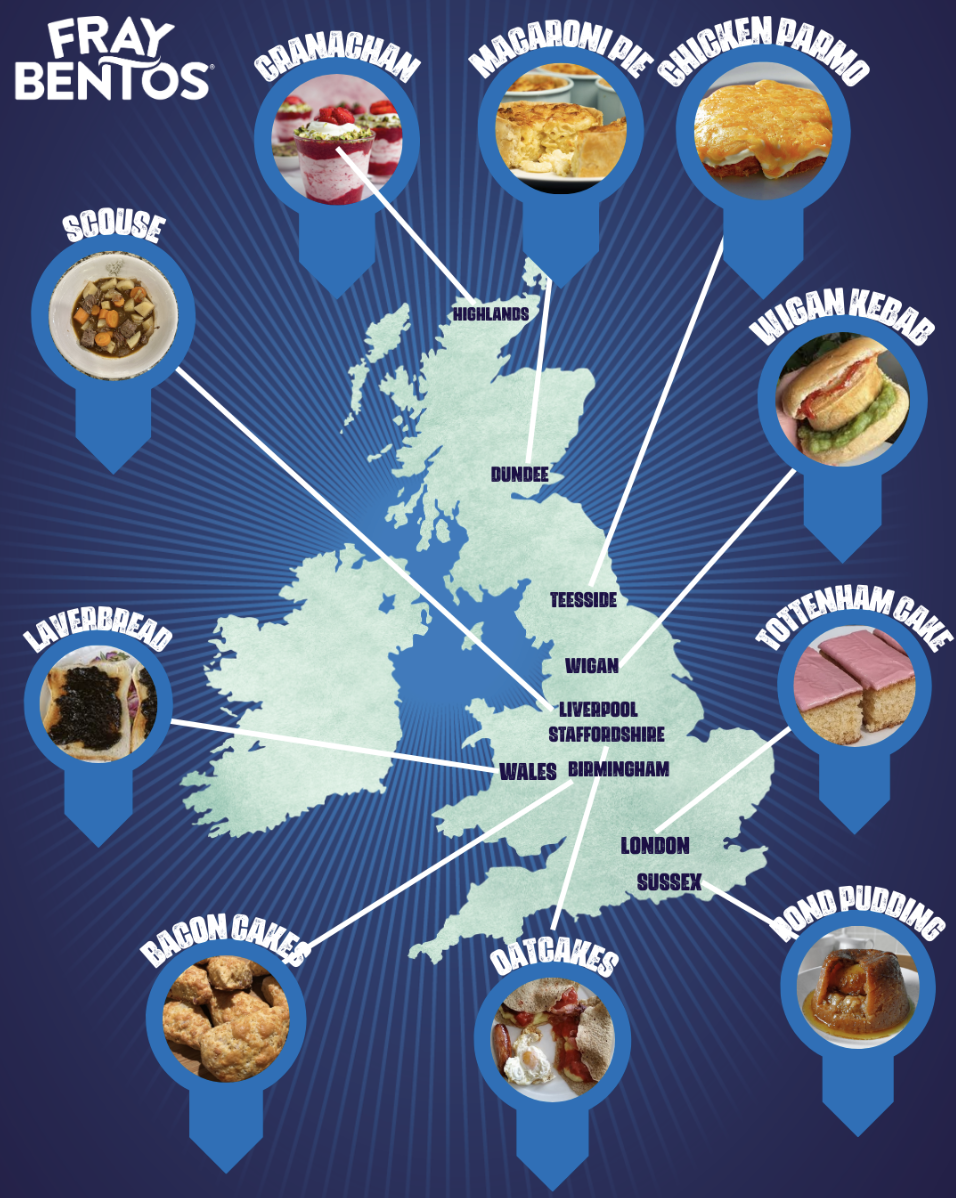
Earlier this year we used Canva to design a map to illustrate the UK’s favourite regional delicacies to bring our survey story to life for Fray Bentos’s pie week campaign. The story went on to land online coverage which featured the graphic.
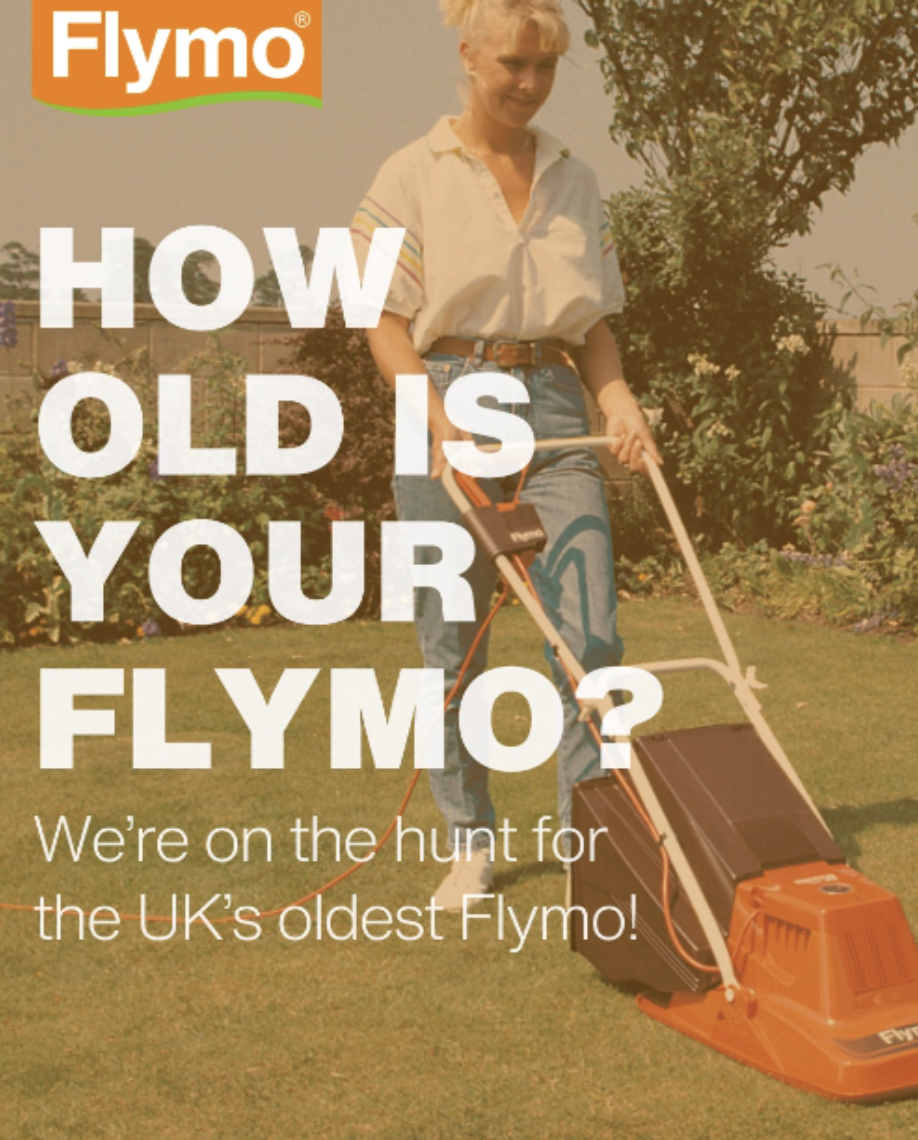
On socials we used a single graphic to help launch a campaign to find the oldest Flymo, which reached 732,000 people and generated over 50 entries from gardeners keen to become part of the brand’s history.
Where video still wins
While AI image generation is accelerating quickly, video remains an area where the gap between human and machine is much more visible.
AI-generated video clips are improving, but they are still relatively easy to identify, particularly over longer sequences. Issues around movement, timing and emotional realism continue to expose the limitations of current models.
At the same time, audiences are becoming more aware and critical of AI content. This places greater importance on human-led video production, particularly for brands that want to build trust, credibility and emotional connection. How GEO is changing agency roles
GEO is beginning to blur the edges between disciplines, not by replacing them but by increasing the level of overlap between them. PR is no longer limited to traditional media coverage, as platforms like YouTube, Reddit and LinkedIn are increasingly part of the same visibility ecosystem due to how frequently they are referenced in AI-generated answers.
At the same time, SEO is moving further into content strategy and audience understanding, rather than being confined to technical delivery, which creates a more natural point of intersection between the two.
The takeaway
ChatGPT Images 2.0 is disruptive, but it is not the end of graphic design. It lowers the barrier to entry for producing visuals, but professional designers still hold the key to creating original content that gains cut through and stands out.
