
The changing newsroom: how the new wave of journalists-turned-creators can give challenger brands an edge
The Guardian's new Digital Journalist Scheme isn't just a newsroom initiative - it's a sign of a much bigger shift. The organisations winning attention today aren't simply creating content; they're creating stories that can move seamlessly across platforms, formats and audiences.
And that's creating new opportunities for challenger brands.
THE CHANGING NEWSROOM
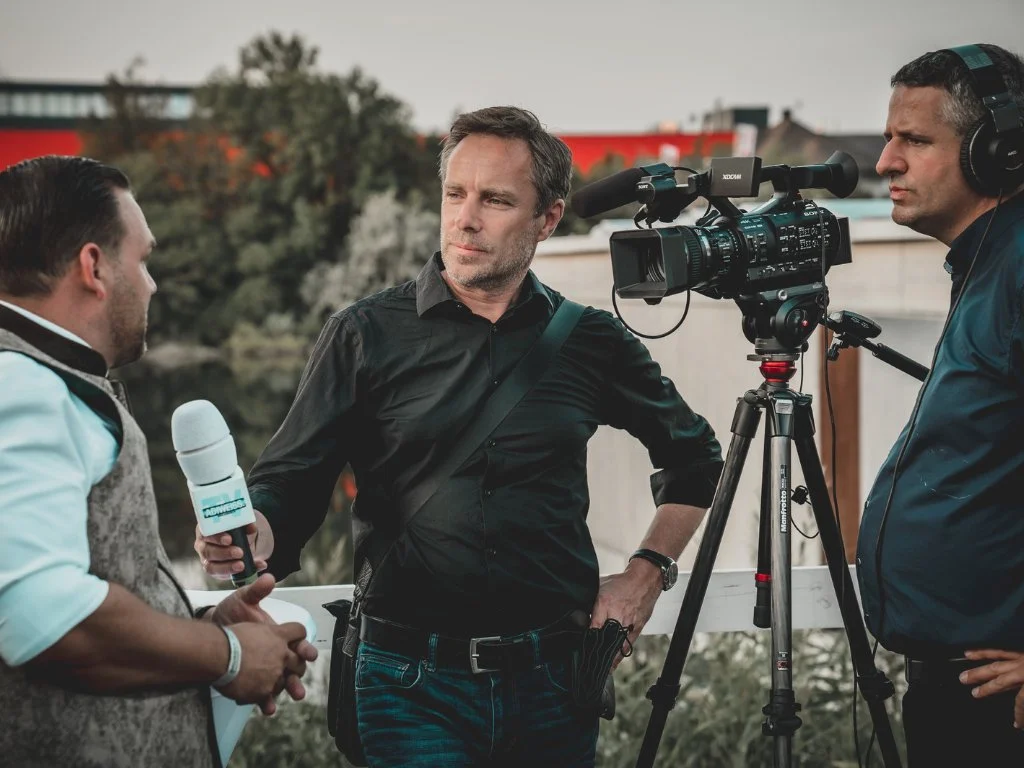
On 30 September, The Guardian partnered with Creative Access to launch its Digital Journalist Scheme, recruiting 40 applicants from journalism and content creation backgrounds.
The programme forms part of The Guardian's wider transformation strategy, with 20% of training dedicated to audio, video, photography and audience engagement. Editor-in-Chief Katharine Viner describes it as training in "vital digital skills fit for the future".
So, what does that future look like?
According to the Reuters Institute's Digital News Report 2026, 27% of people across surveyed markets now access news from individual creators.
As audiences increasingly consume information through social media, video, podcasts, creators and AI-generated summaries, many news organisations are struggling to keep pace. The Guardian's response is notable because it seeks to embrace these changes rather than resist them.
Whether it successfully combines journalism and content creation remains to be seen. But it raises an important question: what happens when traditional reporting meets creator culture?
THE RISE OF LIQUID CONTENT
Liquid content is content designed to be reshaped.
Instead of being published once in a fixed format, a story can become a short-form video, podcast clip, AI-generated summary, social post or long-form article depending on where and how audiences encounter it.
This matters particularly for younger audiences. Reuters found that 48% of 18-24-year-olds identify social and video platforms as their main source of news. When AI is included, that figure rises to 52%.
For this generation, information is increasingly consumed in short, accessible formats. Stories that can move between platforms are therefore more likely to reach them.
Viewed through this lens, The Guardian's scheme is less about teaching journalists to create content and more about preparing them to communicate across multiple formats.
Importantly, it also acknowledges that effective content creation is a skill in its own right. Rather than assuming younger journalists already possess those capabilities, The Guardian is investing in them deliberately.
CONTENT CREATION IN THE NEWSROOM
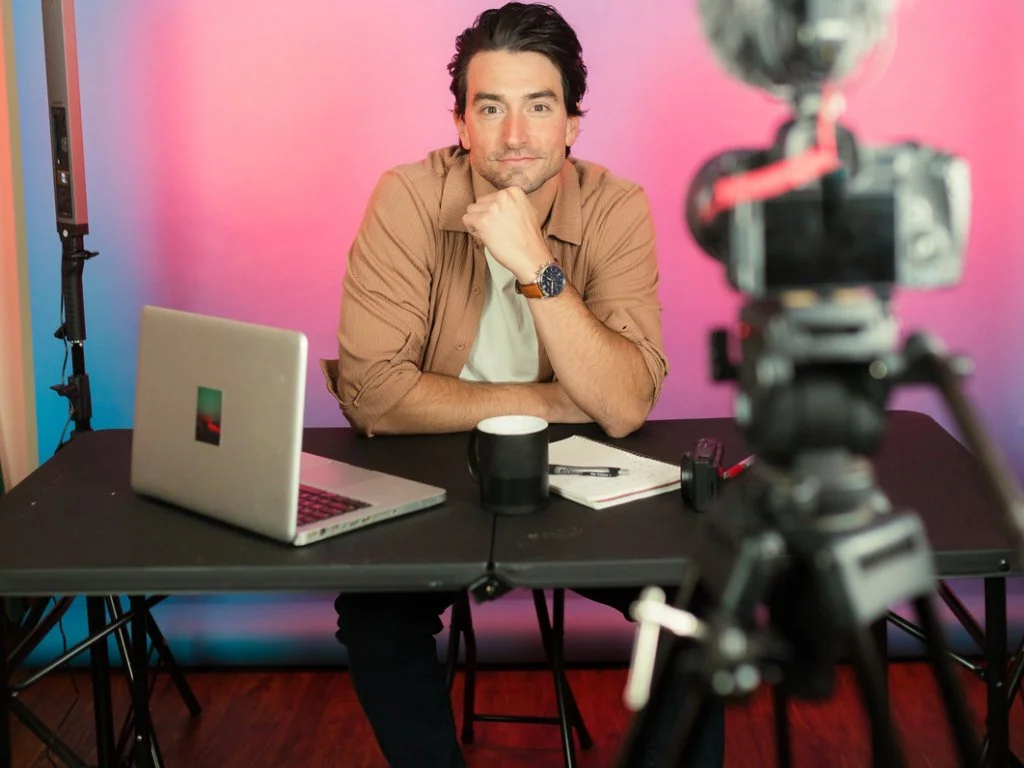
Why are creator-led formats proving so effective?
According to Reuters Institute lead author, Nic Newman, much of their appeal comes down to "that sense of the individual and that accountability".
People trust institutions. But they connect with people.
For audiences increasingly accessing news through creators, personality and authenticity matter. Yet, while creators are becoming a more important source of information, they are rarely the only source.
Most audiences still want reporting they can rely on.
This creates an opportunity for organisations that can combine the trust and verification standards of traditional journalism with the accessibility and personality of creator-led content.
That's what makes The Guardian's approach particularly interesting. Rather than choosing between journalism and content creation, it's attempting to benefit from both.
THE AUTHENTICITY CHALLENGE

Of course, this approach isn't without risk.
If authenticity is central to the appeal of creators, can that authenticity survive inside a larger institution?
Audiences may question whether creators working under a major publication retain the independence that made them appealing in the first place. Equally, traditional news audiences may worry that greater personality comes at the expense of objectivity.
There's also the challenge of brand alignment. News organisations are built on consistency, while creators often build audiences through individual perspectives and opinions.
The real test for The Guardian won't be whether it can create more content.
It will be whether it can create more personality without sacrificing credibility.
With only 20% of training focused on content creation skills, the publication appears to be taking a measured approach. It's adapting to changing audience behaviour without abandoning the principles that built its reputation.
WHAT IT MEANS FOR CHALLENGER BRANDS
At Democracy, we work with both journalists and creators, and we see value in the strengths each brings.
The biggest lesson from The Guardian's initiative is that influence is becoming increasingly fluid. Audiences still want credible information, but they also want personality, accessibility and relevance.
For challenger brands, that creates an opportunity.
Unlike larger competitors, challengers can often move faster, amplify expert voices more effectively and experiment with new formats without layers of approval slowing them down.
The winners won't necessarily be the brands creating the most content.
They'll be the brands creating ideas strong enough to work across channels, formats and audiences while remaining recognisably their own.
WHAT CHALLENGER BRANDS SHOULD DO NEXT
1. Build people, not just brands
Develop visible experts who communicate with authority and personality.
2. Create stories designed for adaptation
Build content that works across earned, owned, social, audio and video channels.
3. Lead with evidence
Trust remains the foundation of influence. Strong proof points should sit behind every story.
4. Develop a distinctive point of view
The brands that stand out are rarely the ones trying to appeal to everyone.
5. Measure influence across ecosystems
Focus less on individual channels and more on how ideas travel and create impact.
The future newsroom belongs to those who can combine credibility with adaptability. For challenger brands, that's not something to fear. It's an opportunity to compete.