
April Fools: Did AI kill the joke?
There was a time when April Fools’ Day felt like a cultural moment. Audiences actively anticipated it - watching brands and competitors unveil outrageous product launches, improbable partnerships, and playful stunts designed to win headlines as much as hearts.
Today, that anticipation feels quieter.
In an AI-driven content landscape, where the unexpected can be generated in seconds, the very idea of ‘surprise’ has been diluted.
Over the past five to ten years, many April Fools’ campaigns have evolved from a high-reach, PR-led stunt into a strategic, social-first engagement play. But what is feeding into this shift?
The trust economy
April Fools’ campaigns, by design, blur the line between truth and fiction. In an era defined by misinformation and increasingly convincing AI-generated content, brands are navigating a more complex reputational landscape.
Customer trust has never been more valuable - or more fragile. For brands, the question is no longer 'Is this funny?' but 'Is this safe?'.
The oversaturating and underwhelming of audiences
Meanwhile, AI has fundamentally changed the economics of creativity. Today, over half of marketers are using AI to generate campaign ideas and creative assets. The result? A dramatic increase in content volume - and a noticeable convergence in output.
AI is exceptionally good at producing ideas that are ‘good enough’. It uses familiar formats, safe humour, and remix versions of what has worked before. But April Fools’ success has always relied on the opposite - sharp originality, cultural timing, and genuine surprise.
In effect, AI has raised the creative floor while lowering the ceiling. More brands can now participate. But far fewer truly stand out.
Pressure to perform all year round
There’s also a broader shift in how brands approach visibility. In a culture obsessed with always-on relevance and real-time engagement, April Fools’ Day no longer holds the same singular importance in the marketing calendar. It has become another moment in a crowded content cycle. For some brands, it even feels predictable - a routine checkpoint rather than a creative opportunity.
While there’s a perception that brands need to appear more serious to maintain authority, the reality is more nuanced. Audiences don’t expect seriousness - they expect authenticity. That’s where many AI-assisted campaigns fall short. When humour feels templated or synthetic, it undermines the relatability brands are trying to build.
Examples of campaigns that work
Introducing the FRYmo
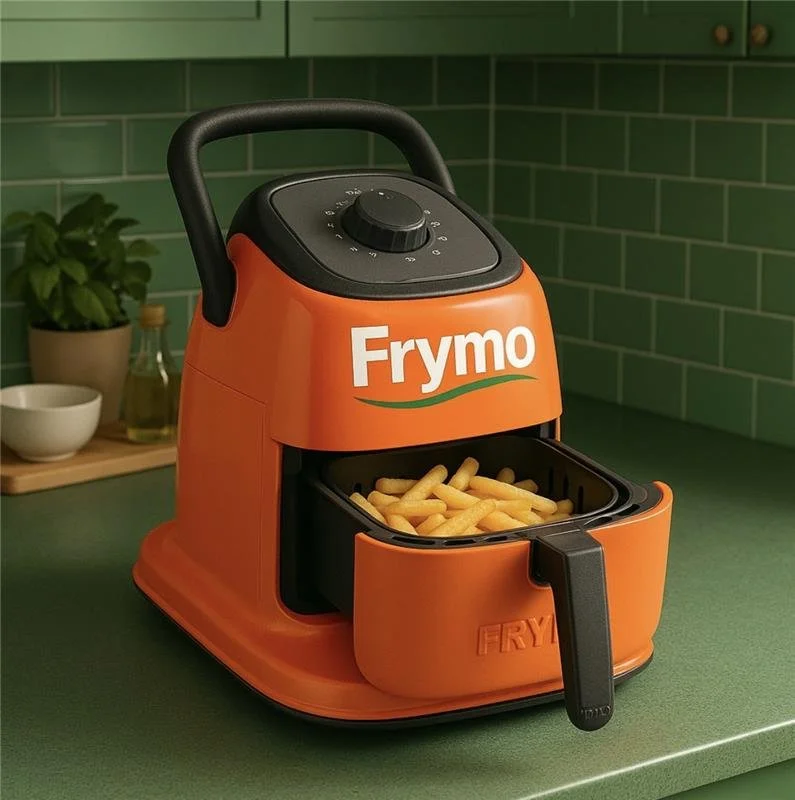
An example of a brand getting it right is Flymo’s 2025 'FRYmo' campaign - curated and executed by the team here at Democracy. The heritage lawnmower brand announced the launch of a Flymo air fryer, claiming that having "mastered the lawn,” it was now turning its attention to the kitchen.
The campaign cleverly tapped into the audience’s receptivity for air fryers, while staying true to Flymo’s brand identity and tone of voice. By blending a familiar product trend with a playful but believable extension of its core offering, the idea struck the right balance between absurdity and authenticity.
The results speak for themselves. Within 24 hours, the campaign achieved a reach of over 288,000, and generated more than 11,000 engagements, with audiences commenting, “this is the best April Fools’ I’ve seen yet.” It also secured widespread media coverage, reinforcing its impact beyond social channels.
Heinz and PerfectTed serve up Matcha Mayo
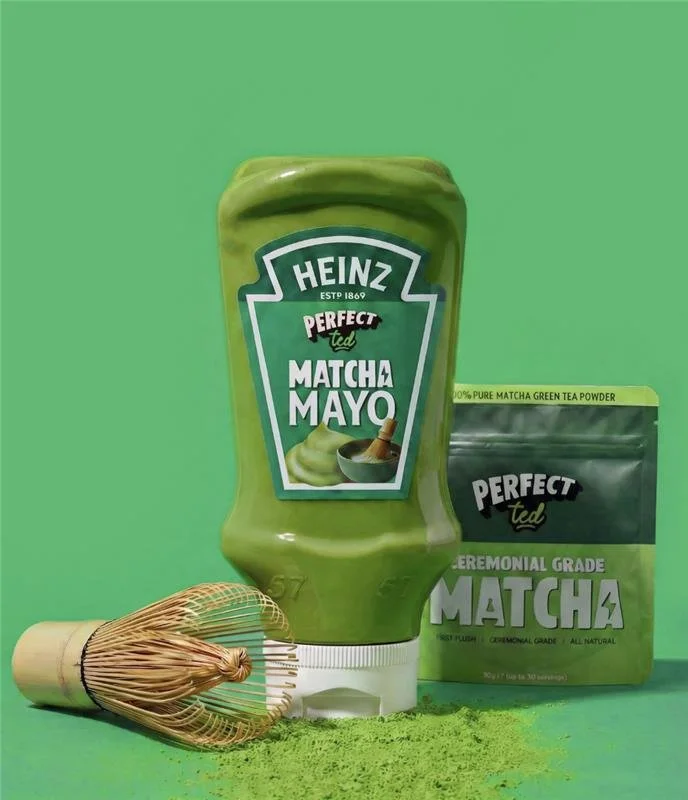
A great example of a partnership done right is Heinz’s collaboration with PerfectTed to launch ‘Matcha Mayo’. By combining its classic mayonnaise with matcha’s distinctive earthy green flavour, the stunt tapped straight into one of the year’s biggest food and drink trends.
It struck the perfect balance between the ridiculous and the just-about plausible. Matcha has already evolved from a niche wellness ingredient into a mainstream staple, so its leap into condiments didn’t feel entirely out of the question - just unexpected enough to spark conversation.
The result was both visually jarring and culturally spot on - designed to make people question whether the brand had finally pushed things too far.
Did AI kill April Fools?
AI hasn’t killed April Fools’ marketing - it has killed mediocre April Fools’ marketing. It has made it easier than ever to show up, but much harder to stand out.
The day still delivers engagement, but only for brands that invest in craft, insight, and creativity.